Designer, researcher, teacher
Academic leader and programme builder
Tomás García Ferrari
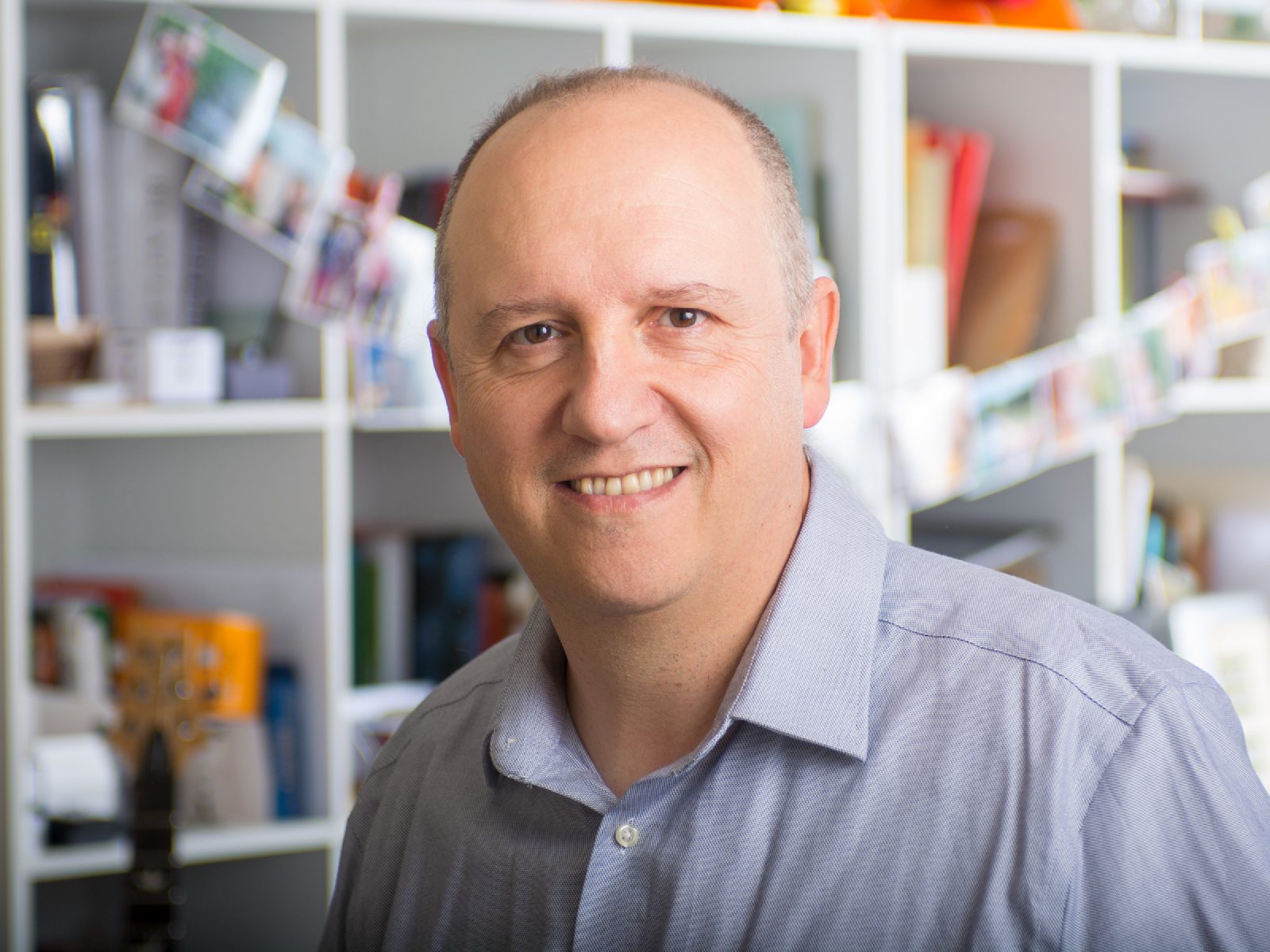
I practise, research and teach design in a tradition that never separated making, thinking and judging. Techne, Sophia, Phronesis. For more than thirty years I have done this in studios, universities and workshops – and built the degree programmes and departments where it happens. I trained as a graphic designer in Buenos Aires, completed a postgraduate specialisation in design theory, and hold a doctorate in Computer Science.
Explore my work Full Academic CVLeadership | Practice | Teaching | Research | Workshop
Doctoral Thesis: I Want My IoTORCID: 0000-0002-6649-5670 | Google Scholar | LinkedIn
Contact me: tomas@garciaferrari.com
Leadership
I have built and run design practices and programmes. (bi)gital», the two-person studio Carolina Short and I founded in Buenos Aires and ran across three countries, delivered more than a hundred projects. In academia I have led degree programmes, a teaching team in China, and a founding university department in New Zealand.
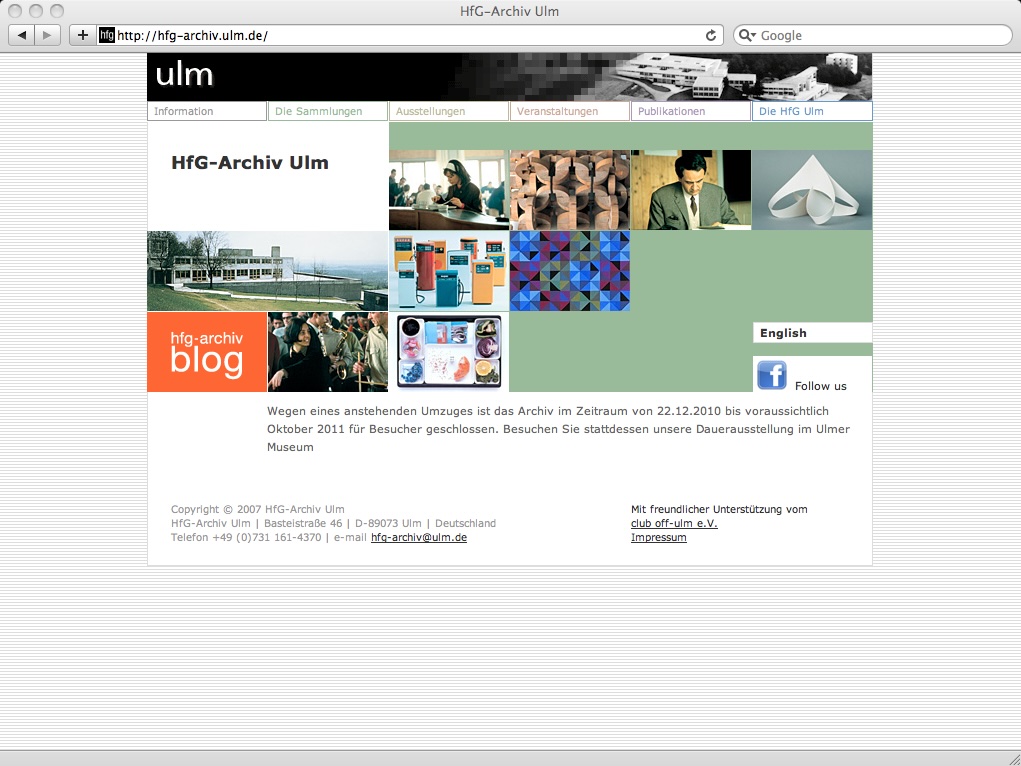
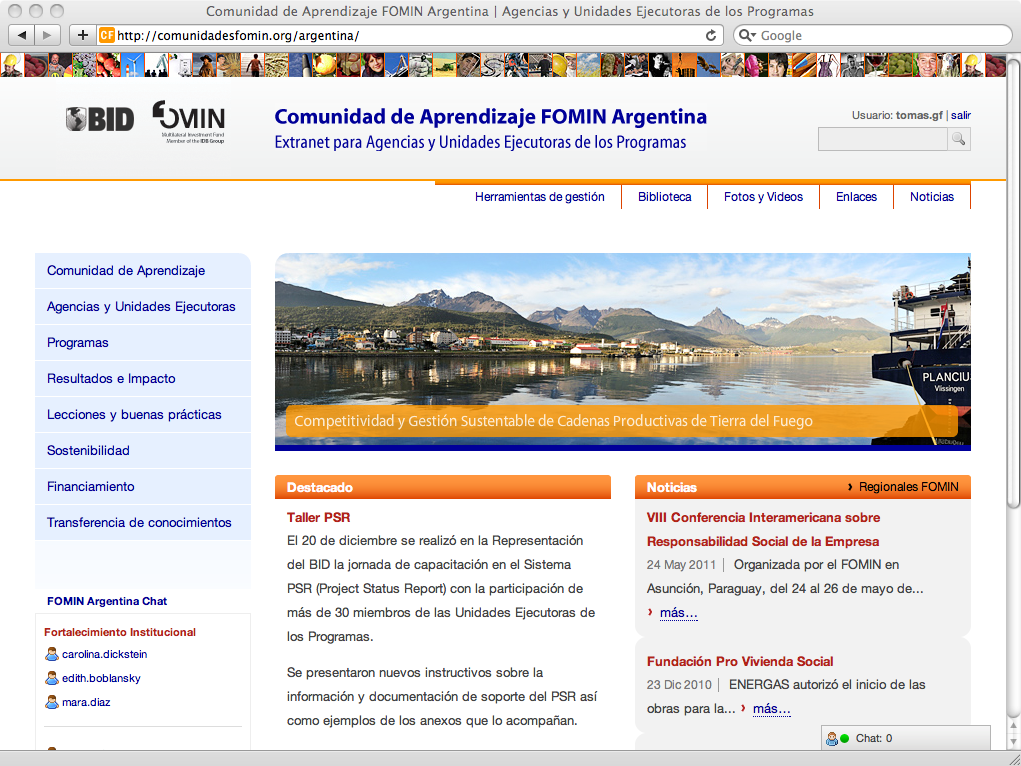
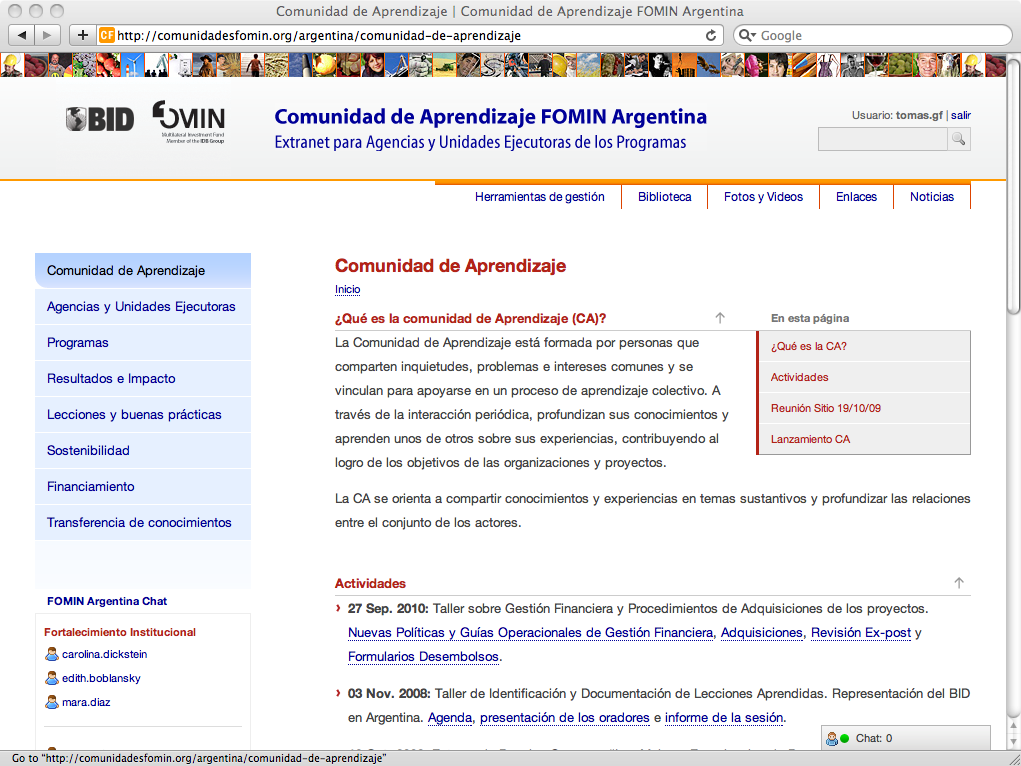
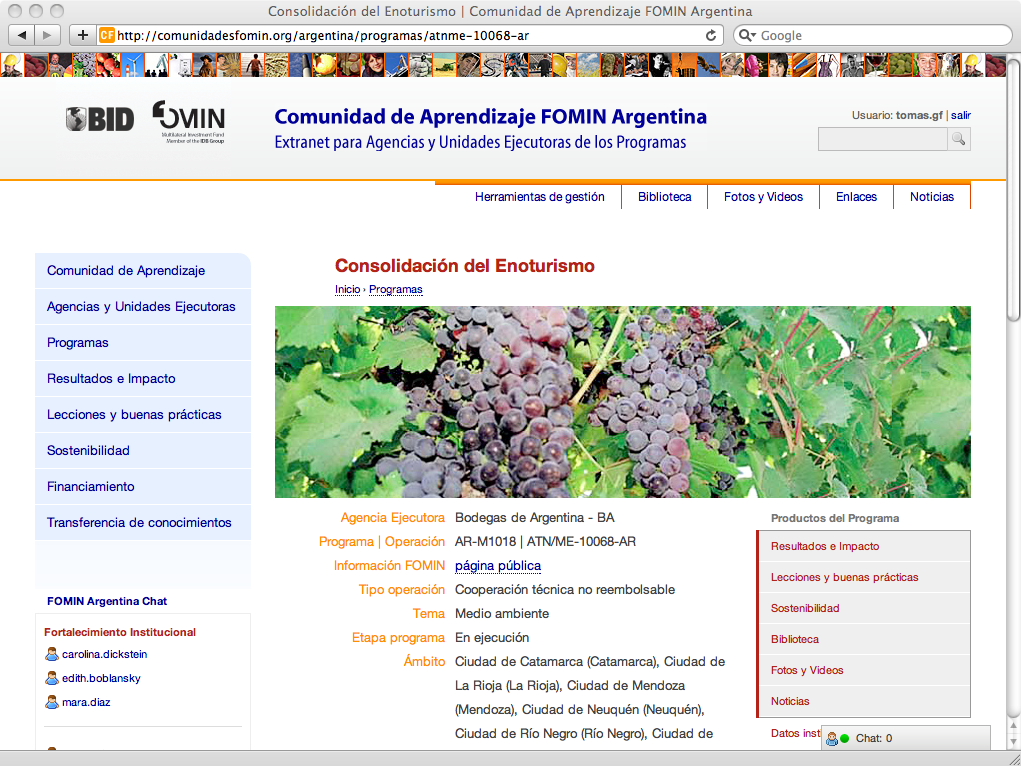
- Co-founder, (bi)gital», Buenos Aires (since 1996) – two-person studio with Carolina Short, run across Argentina, Germany and New Zealand. Apple Latin America, the HfG Archive Ulm, the Inter-American Development Bank, Soda Stereo, cultural and public institutions. The practice slowed as we took full-time academic positions – me in 2012, Carolina in 2015 – and has continued since on legacy work.
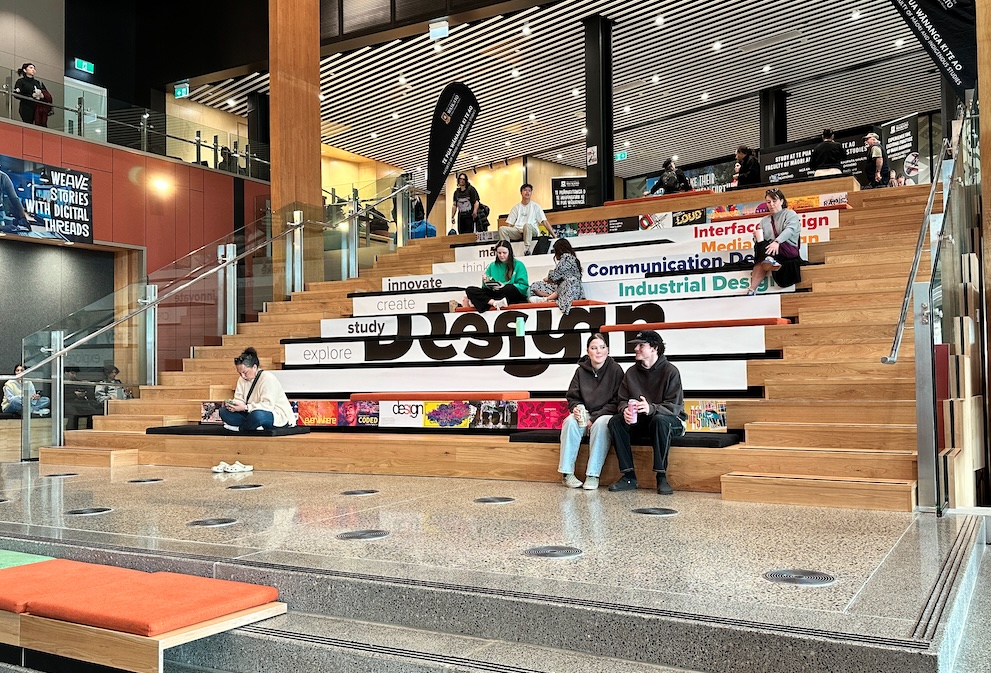
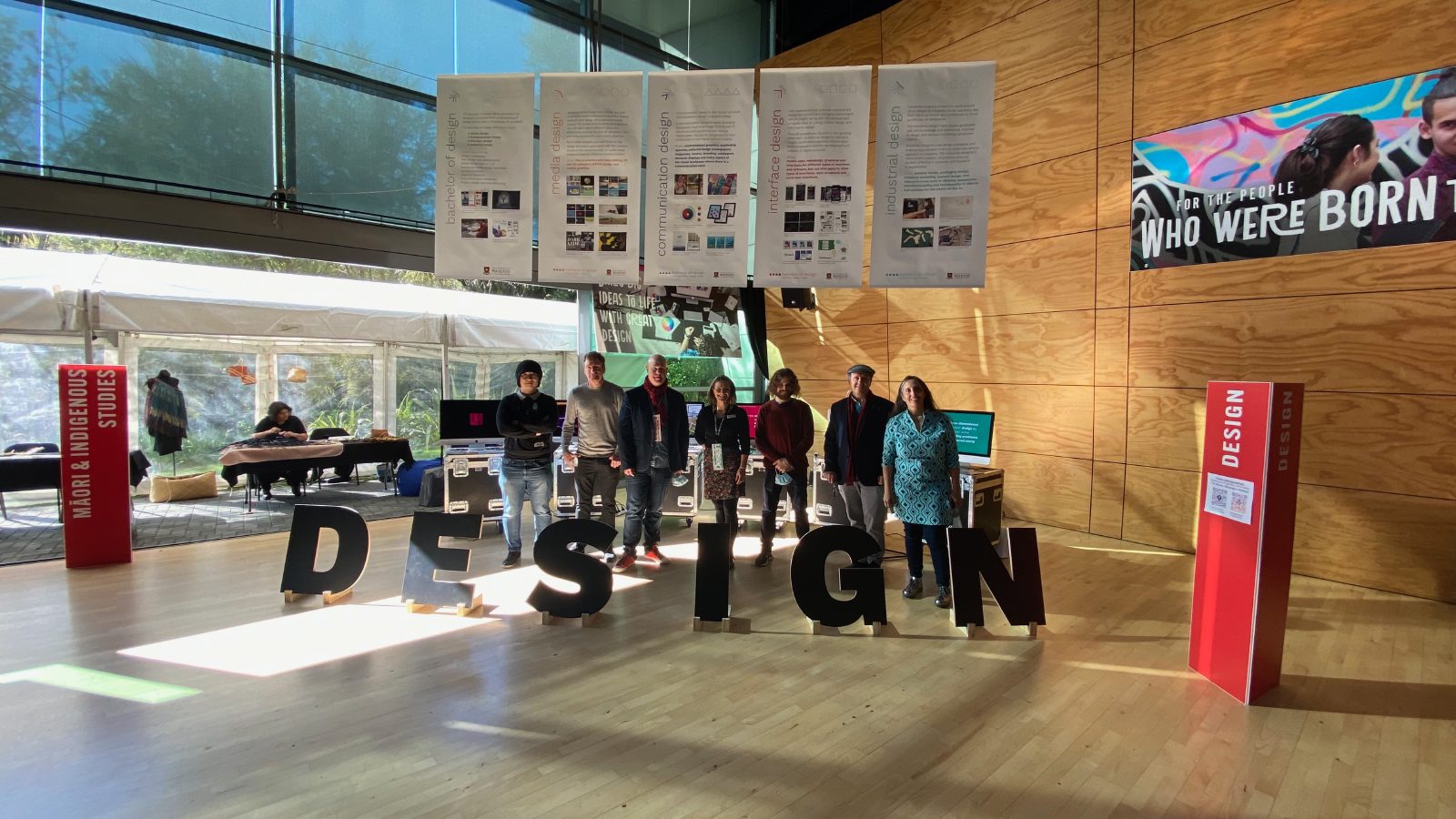
- Group Leader and Founding Head of Department of Design, University of Waikato (2016–2021) – Group Leader from 2016; elected first Head on the Department’s establishment in 2020 within the School of Computing and Mathematical Sciences, alongside Computer Science, Software Engineering, and Mathematics & Statistics; as Head, formal line-management responsibility for seven academic staff spanning Senior Lecturer to Tutor.
- Programme Leader / Convenor, BDes in Interface Design, NZUWI–Hangzhou City University joint institute, China (2016–2021) – proposed and designed the programme as one of the joint institute’s founding offerings at its 2017 launch; led it across two countries; annual intake of 60 students on a four-year degree, ~240 students in the pipeline at steady state; recruited and led the initial teaching team in Hangzhou.
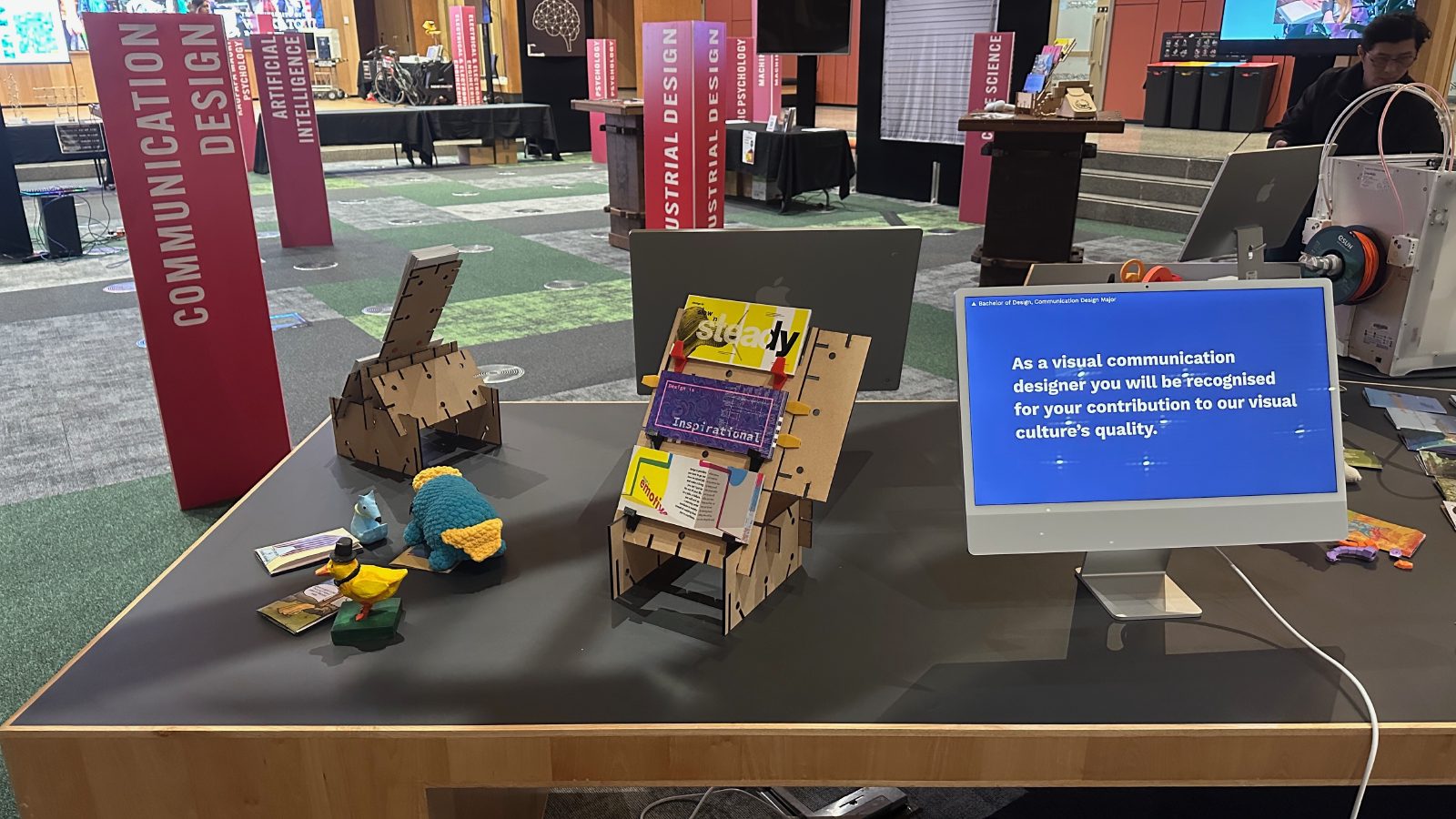
- Author of two Committee on University Academic Programmes (CUAP) degree applications – the BCGD → Bachelor of Design transformation (initially three majors), and the Industrial Design major in formal partnership with the School of Engineering. Led its 2023 Graduating Year Review to continued approval.
Practice
(bi)gital», since 1996
Carolina Short and I started (bi)gital» in Buenos Aires in 1996, before anyone had decided that designing a website and building it were different jobs. There was no separation available. You designed by writing the thing. In March of that year I made Clarín Digital, among the first newspaper editions on the web in Latin America, and Carolina made the Buenos Aires Book Fair’s first website.
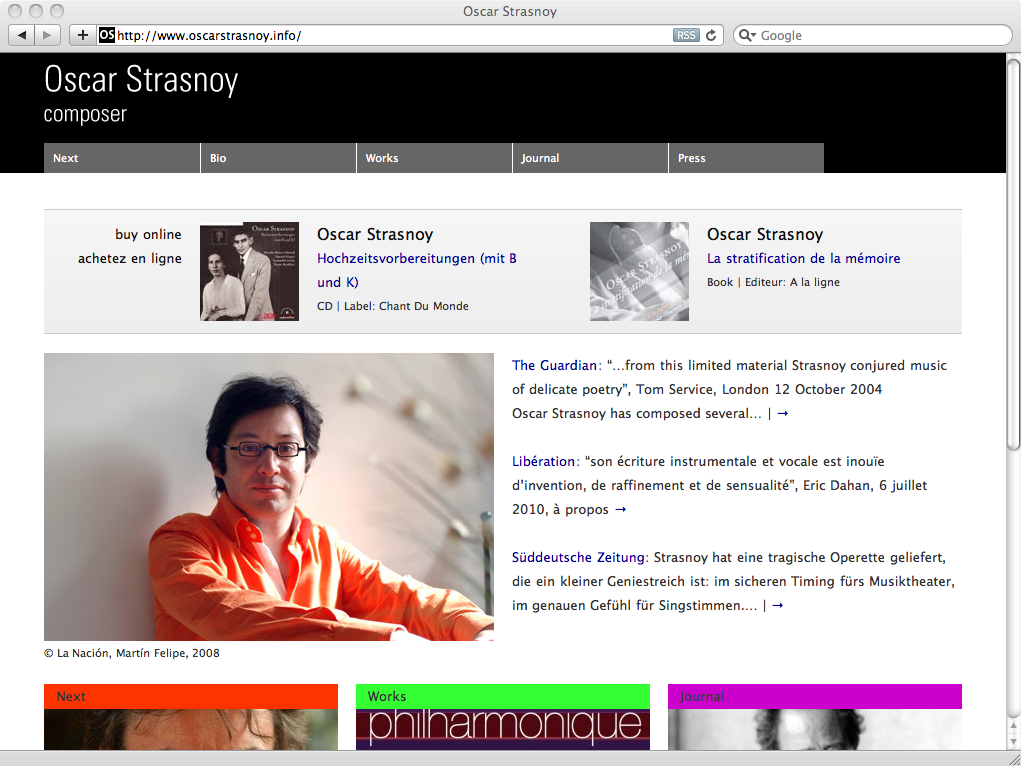
A few months later, right after designing Soda Stereo’s first website, we designed and developed the interactive track for Comfort y Música Para Volar, Soda Stereo's enhanced CD – a disc that carried a multimedia programme alongside the audio, to be played on a computer. Four pieces of interactive work in one year, in a country where almost no one had seen any.
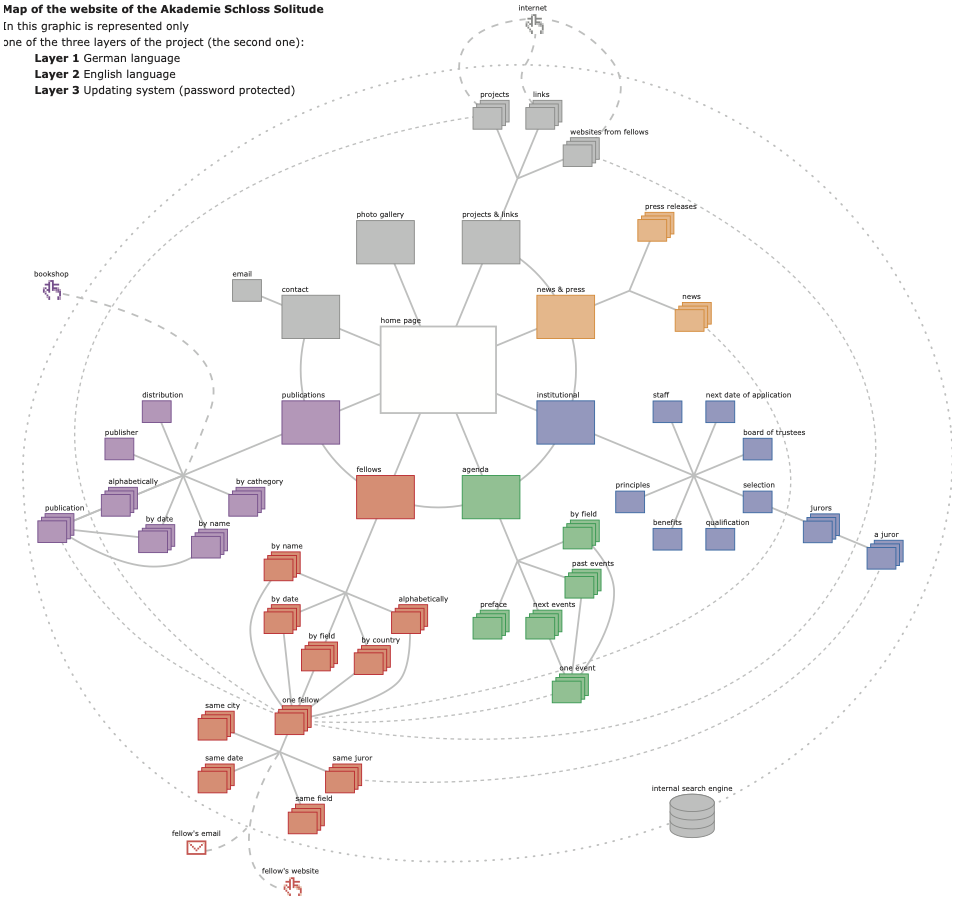
In 1998, Gui Bonsiepe selected us for the Akademie Schloss Solitude fellowship – the first time our work was backed by a jury rather than commissioned by a client. It is also how we came to live and teach in Germany.
From its inception, the studio delivered more than a hundred projects – Apple Latin America, the Inter-American Development Bank, Soda Stereo, cultural and public institutions. From 2013, as we took full-time academic positions, we kept maintaining legacy projects but stopped taking new ones.
In our studio, I have built and maintained the server infrastructure behind our websites: dedicated machines first, virtual private servers later, carrying web hosting, DNS, email and databases. Security, backups, updates and the diagnosis of live incidents through log analysis have all been mine. I remain responsible for web, email and database infrastructure across several domains, and understanding what it takes to sustain these systems is an integral part of my design practice.
Teaching
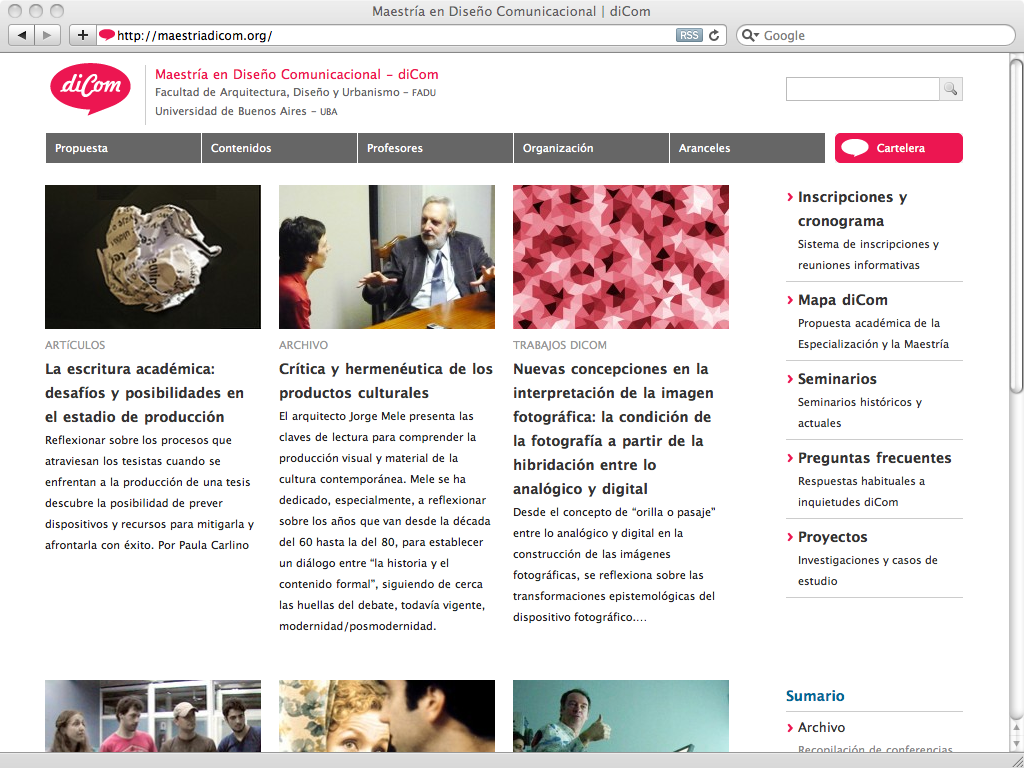
I come from a family of teachers. I have taught typography at the Faculty of Architecture, Design and Urbanism of Buenos Aires University (FADU, UBA) in Buenos Aires, in teaching teams led first by Rubén Fontana and later by Carlos Venancio; web design at the Burg Giebichenstein University of Art and Design Halle in Germany, a school built on material craft, during the early years of web design; and then in New Zealand, at the University of Otago and the University of Waikato.
I understand teaching as helping students develop their own judgement and discover who they might become as designers. My teaching centres on the studio: shared making, critique, conversation, and reflection. I use stories, playful provocations, and examples from professional practice, carpentry, and music to make complex ideas tangible and invite students to see differently. Respect for each student’s experience and identity shapes both the intellectual challenge and the individual support I offer. I bring experience and questions, and encourage students to develop positions they can articulate and defend. My own practice remains open to revision through listening, observing, and responding: teaching, like design, is a process of continual refinement.
The subject changes with the decade. The argument does not: you understand a medium by making things in it. A degree programme is the structure that makes that possible at scale – a designed object, and the largest one I have made.
Research
Doctoral Thesis | Full list of publications | ORCiD | Google Scholar
I have been working on one question for most of my career: who gets to make things, and what is left for a person to decide once the tools decide too. It arrived in practice long before it became research. In 1996 the question was who could publish. It is now who judges what a machine proposes.
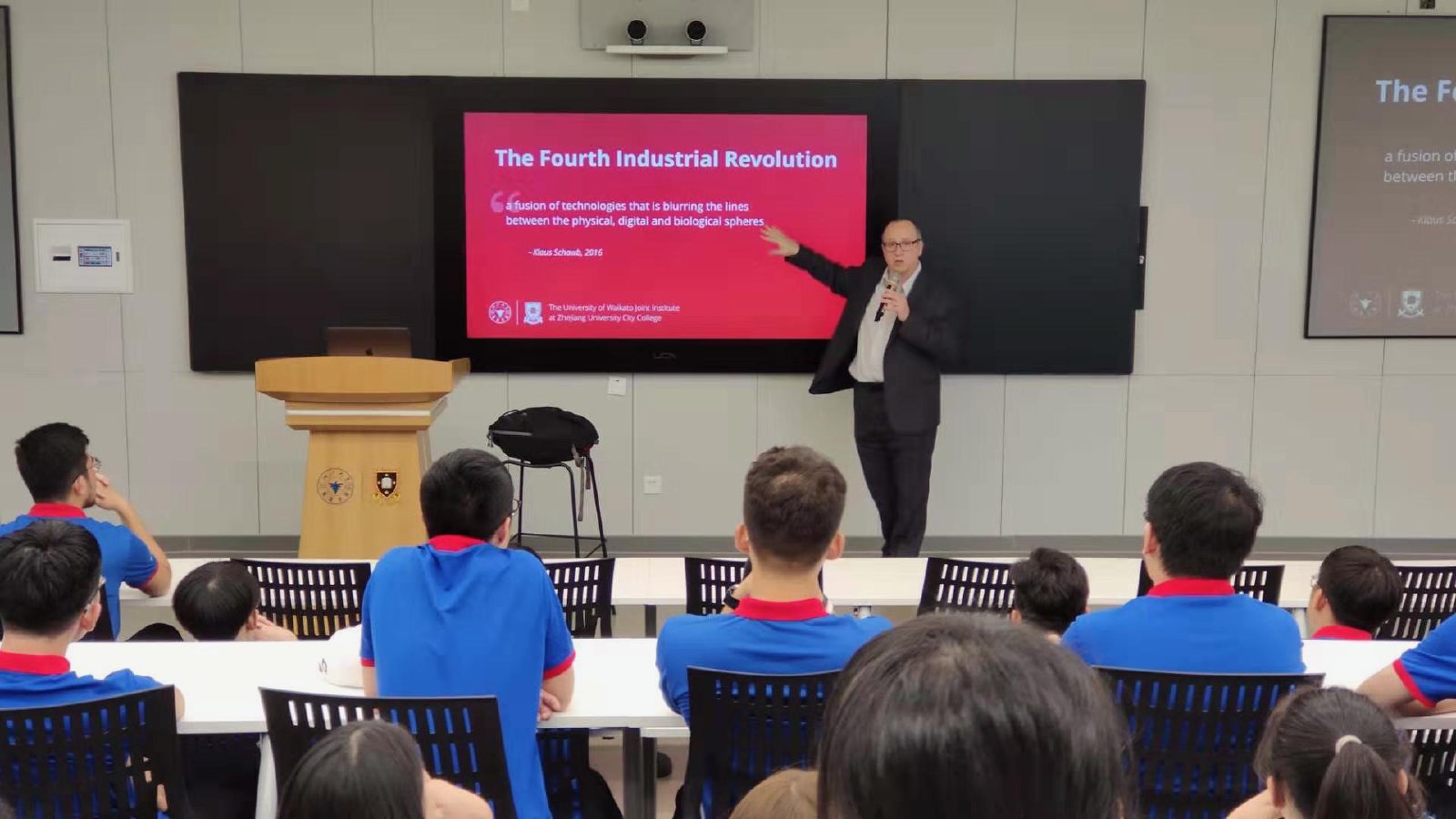
The written arc runs from “tailors to gardeners” in 2013 – design shifting from cutting a form to cultivating the conditions for one – through Design and the Fourth Industrial Revolution in 2017, to the current work on Homo Arbiter: the designer as accountable judge of alternatives that no one authored (presented in Cumulus Athens 2026 and to be expanded in Cumulus Dunedin 2026). Homo Faber makes. Homo Gubernator steers. Homo Arbiter decides, and answers for the decision.
I arrived at Homo Arbiter independently, and found afterwards that Jack Burnham had used homo arbiter formae first, writing about the artist and form. Shared term, different argument.
I am a technophile. None of this is an argument against the machines.
Doctoral research
I Want My IoT: End-User Developers and the Internet of Things
PhD in Computer Science · University of Waikato · 2025
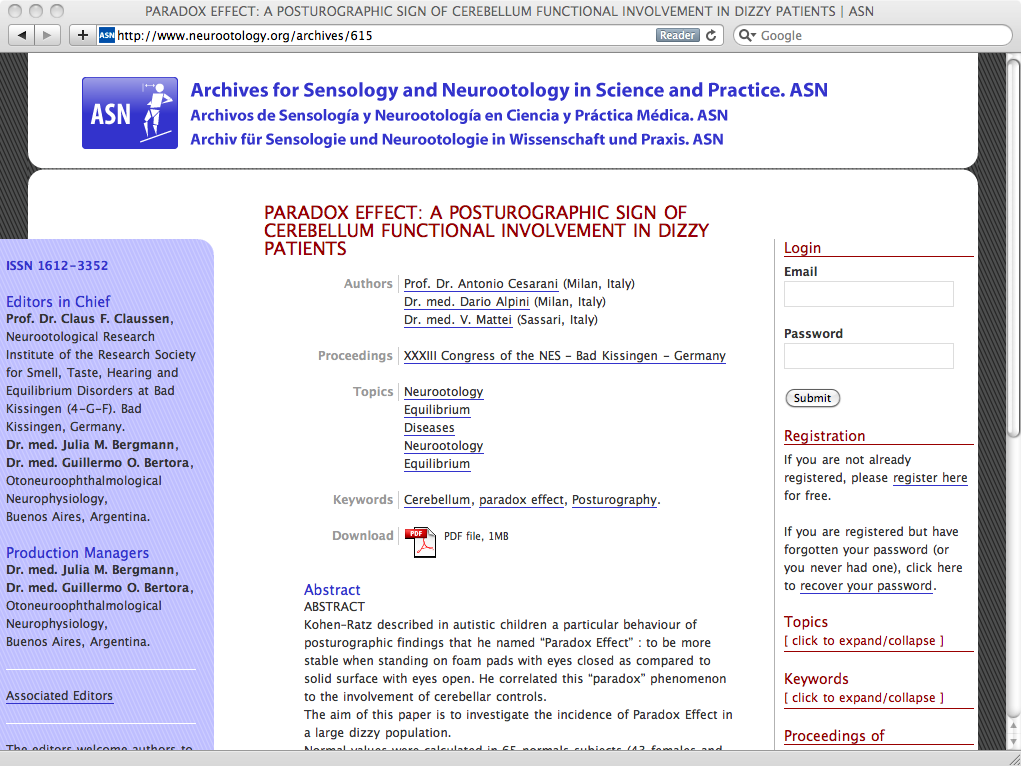
My doctorate in Computer Science brought empirical depth to this question through an investigation of end-user development for the Internet of Things. The same concern, examined through another technology: what enables people without specialist technical expertise to imagine, build and sustain connected systems of their own?
The research makes three connected contributions:
Understanding development over time. A long-term investigation documents how end-user developers’ experiences, difficulties and needs evolve. This extends understanding beyond initial encounters with a technology to the challenges of sustained engagement.
Connecting physical and digital support. Practical tools, including physical ideation cards and QR codes, connect tangible resources with digital guidance. These approaches support people as they develop ideas and work towards functioning systems.
Considering the complete project lifecycle. The research brings ideation, building and ongoing support into a connected account of end-user development. It also explores how gamification can support motivation across that process.
Together, these contributions place the experience of the person making the technology at the centre of IoT development. They provide empirical insight and practical approaches for designing tools that respond to non-experts’ capabilities, intentions and changing needs.
Workshop
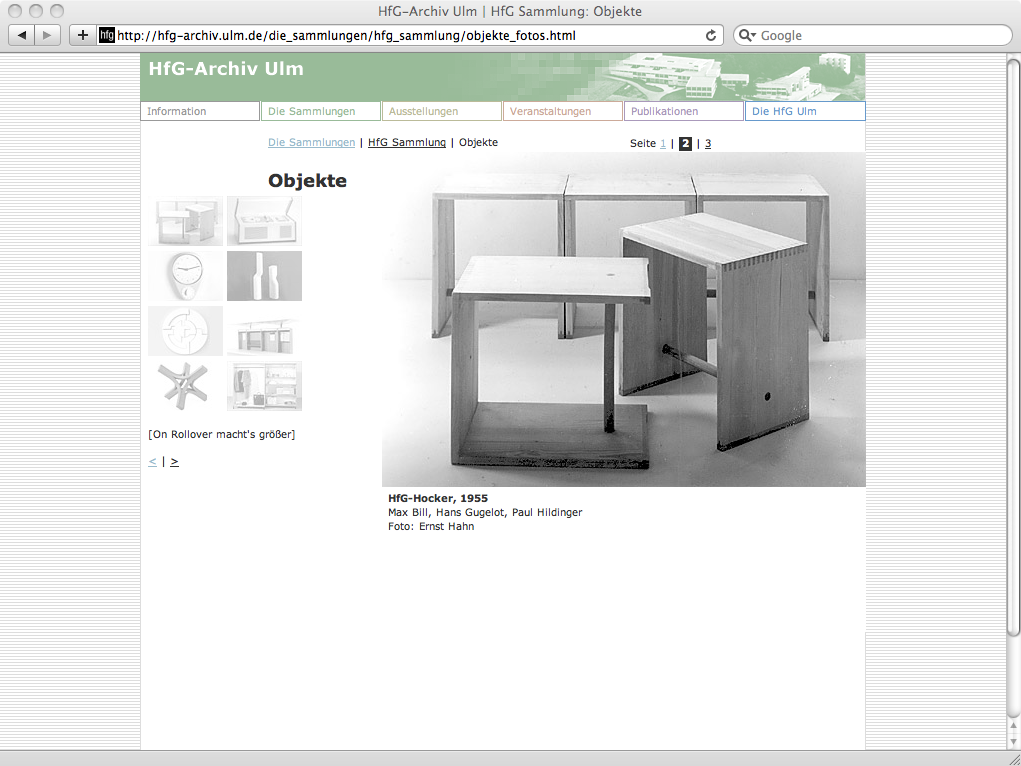
I create, play and record music. I build things. Sound collages that I publish on streaming platforms. Small furniture pieces from reclaimed wood. A bass guitar, made with my son Luca García Ferrari. 3D printed hangers for an art exhibition by my friend and colleague, Prof Gareth Schott. A desk, from salvaged old offices timber.
Techne – the reasoned knowledge of how to make something, which the maker can give an account of – is the ground the rest stands on. I do not trust an argument about making that I have not tested with my hands. This is where the testing happens.
Curriculum Vitae
Academic leadership, employment, qualifications, research, and publications.
Full Academic CV